From a six-square-metre treatment room in Kazakhstan to an international wellness brand, Aray Kairkanova has built Sculptor around one principle: results should be visible. In an exclusive interview with Gate DXB, she discusses her signature hands-on technique, posture, facial aesthetics, her approach to training practitioners and the future of the brand in Dubai.
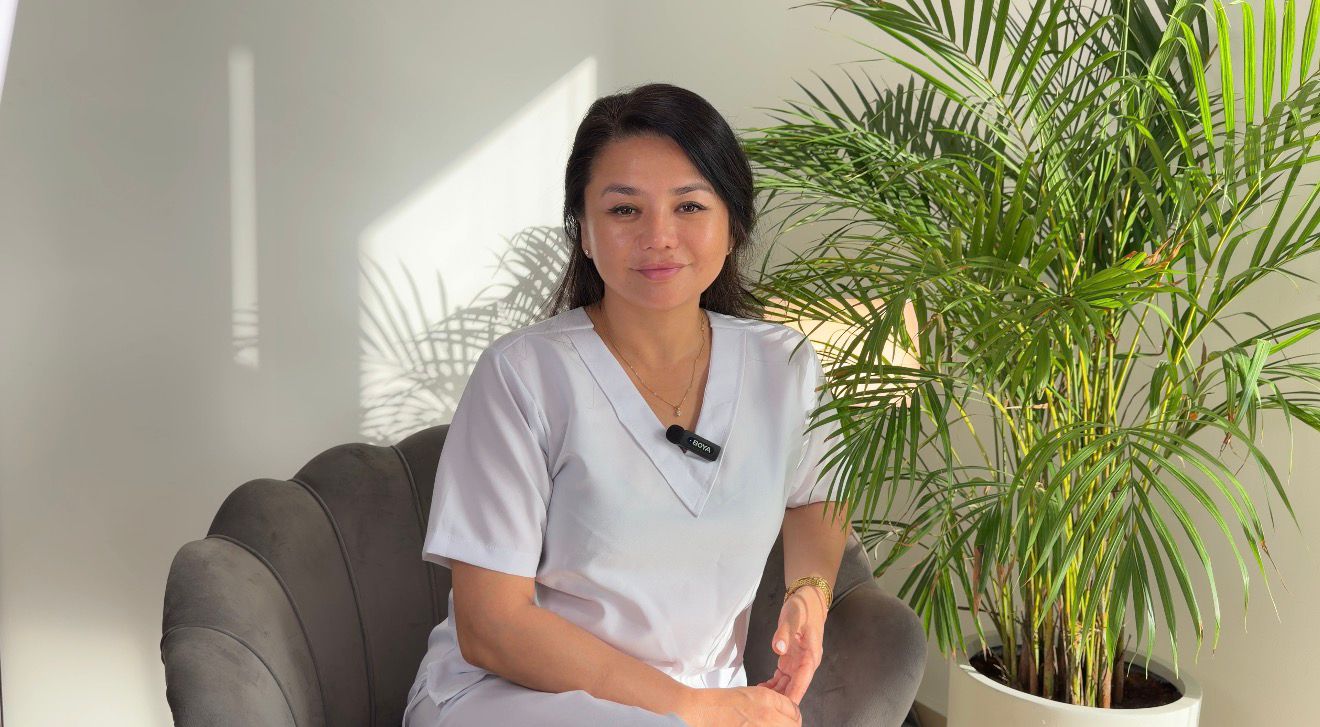
Aray Kairkanova’s story did not begin with a glossy reception desk, a business plan or a major investor. It began with an instinctive love of massage and, later, a treatment room measuring just six square metres inside a women’s bathhouse. From there came a team, a growing network across Kazakhstan, and expansion into Azerbaijan, Uzbekistan and the UAE.
One word keeps returning throughout our conversation: results. For Kairkanova, a successful appointment is not simply one after which a client feels relaxed. She wants to see changes in the way a person holds their body or in the appearance of the face and silhouette. This philosophy underpins Sculptor’s own approach to hands-on bodywork.
The discussion takes us beyond conventional beauty treatments: uneven shoulders, muscle tension, posture, swelling, facial asymmetry and the challenges of working with children all come up. Those subjects also raise an important distinction. Sculptor’s techniques are presented here as the founder describes them; claims about medical conditions should not be mistaken for clinically established treatments.
You say your interest in massage started when you were a child. What do you remember about that?
I loved giving massages from childhood. My family were my first guinea pigs — my parents, anyone who came to visit. Some people experience the world most strongly through what they hear; others through what they see. For me, touch has always been particularly important. It is how I understand things.
How did that become a business?
I started in a women’s bathhouse, where I had a tiny treatment room — about six square metres. I saw clients there. Eventually I built a team and began opening branches: first Almaty, then Shymkent, Astana, Aktau and Atyrau. We expanded to other countries, too. We have also had to make difficult decisions: for example, I closed our Muscat location after three years because managing operations from a distance had become too demanding. Now I am happy with the scale we have reached, and my main focus is improving quality.
What makes the Sculptor method different from a conventional massage?
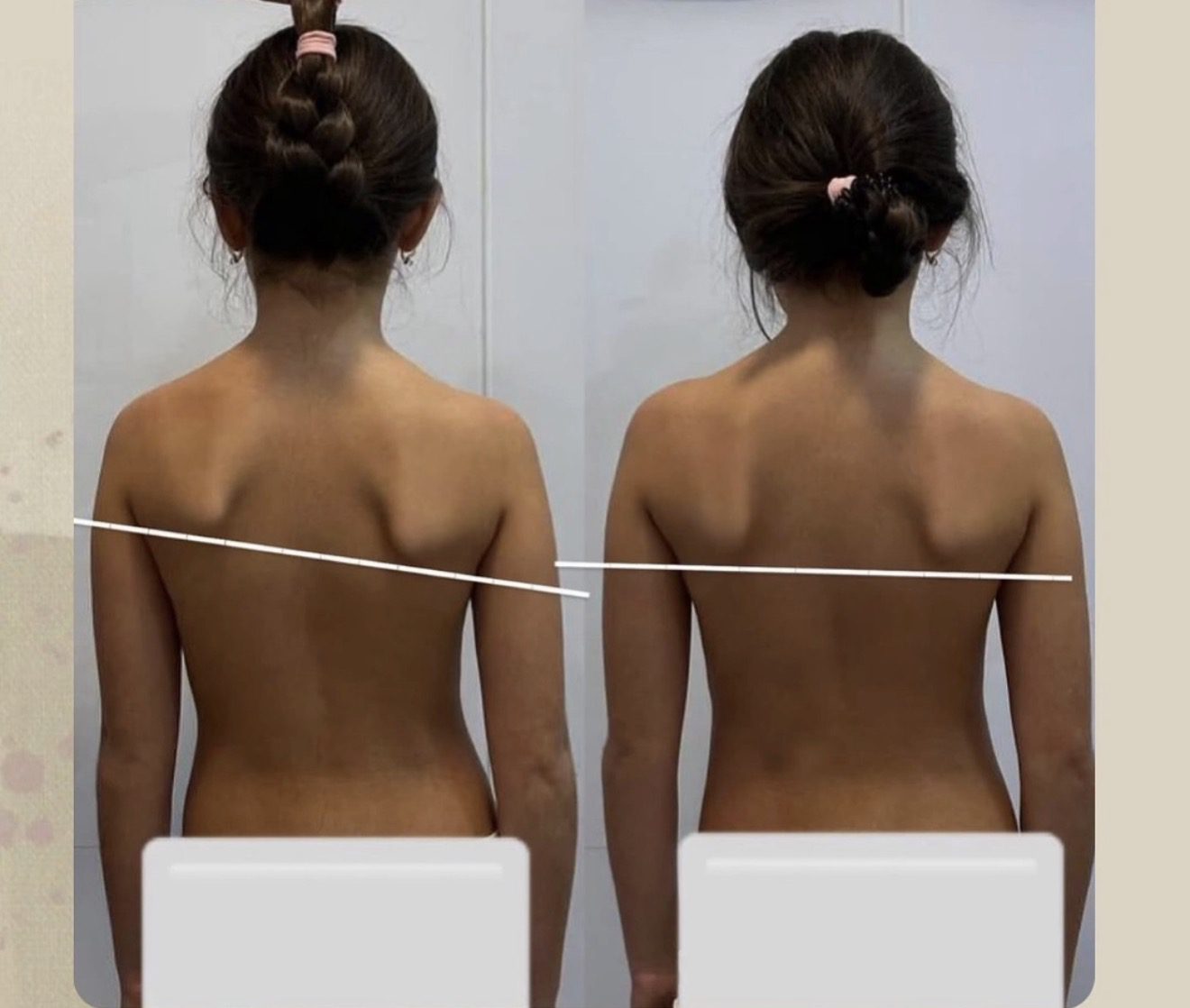
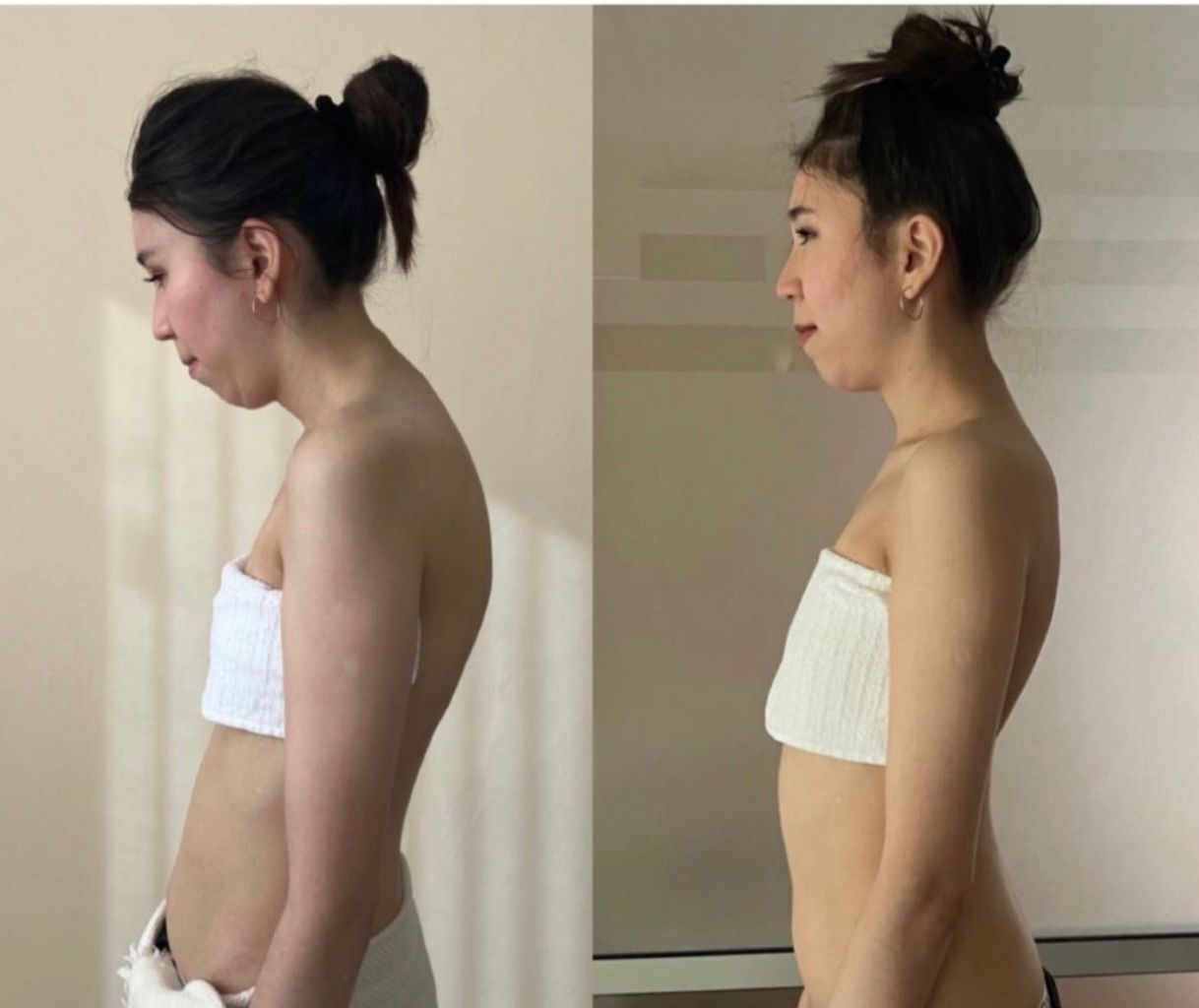
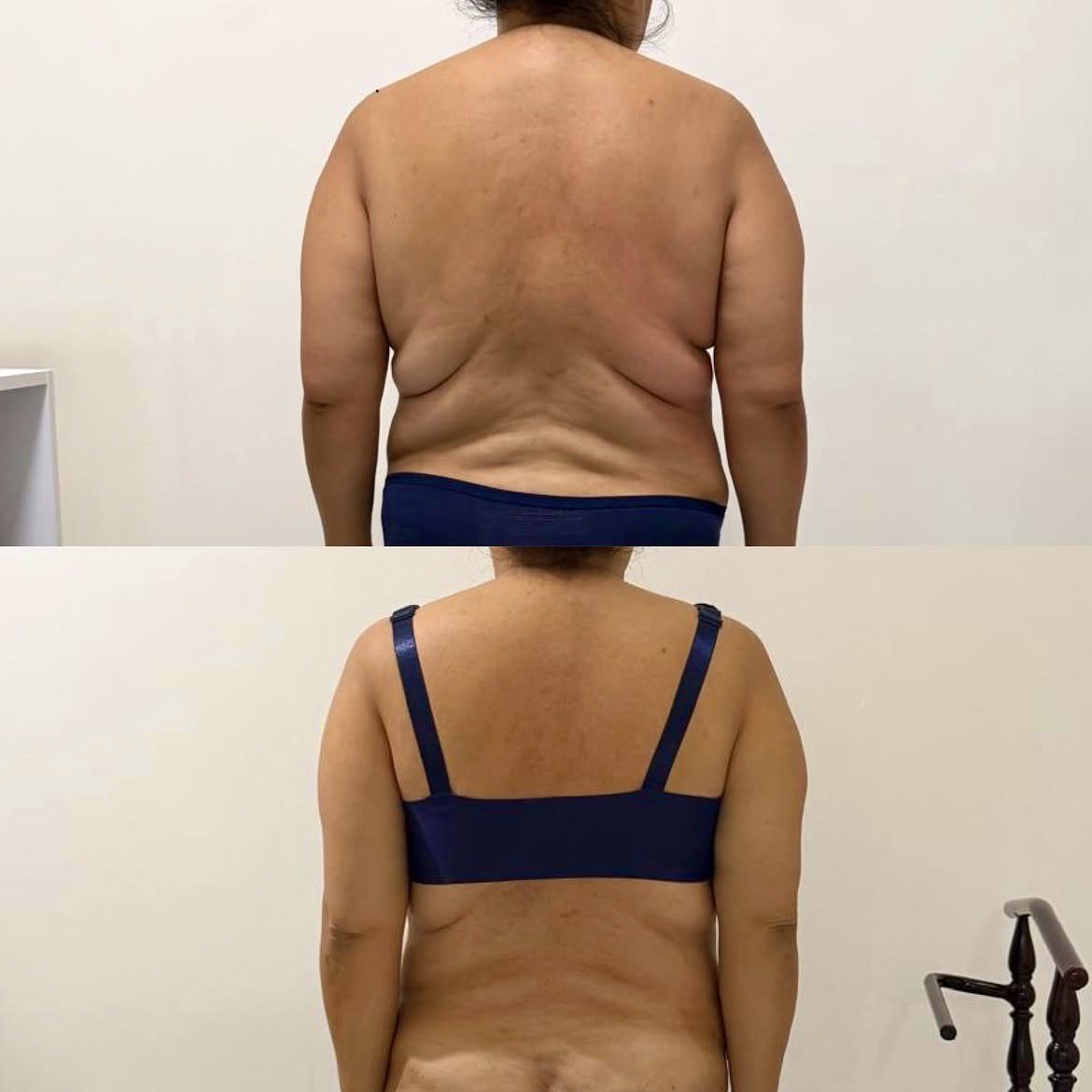
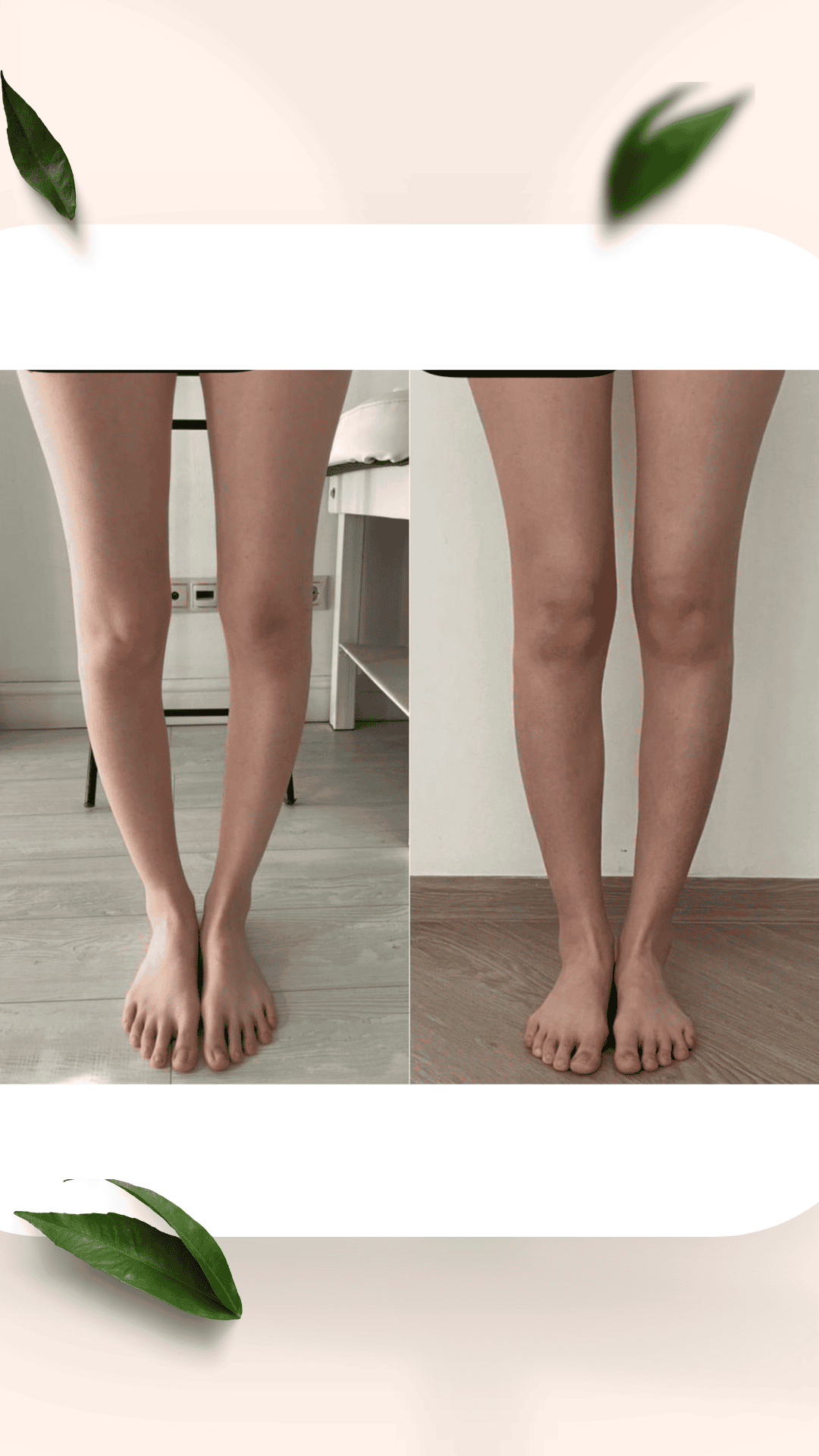
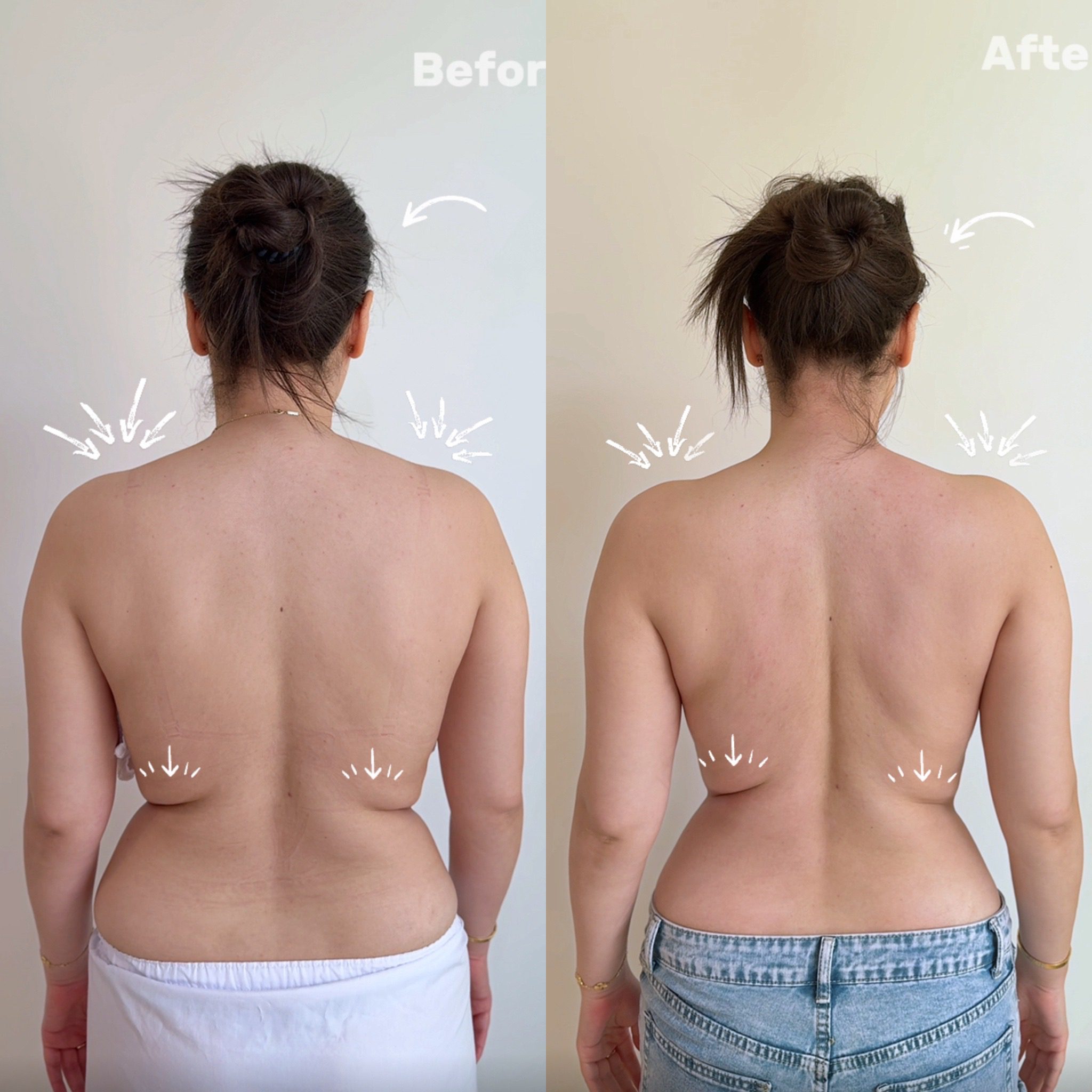
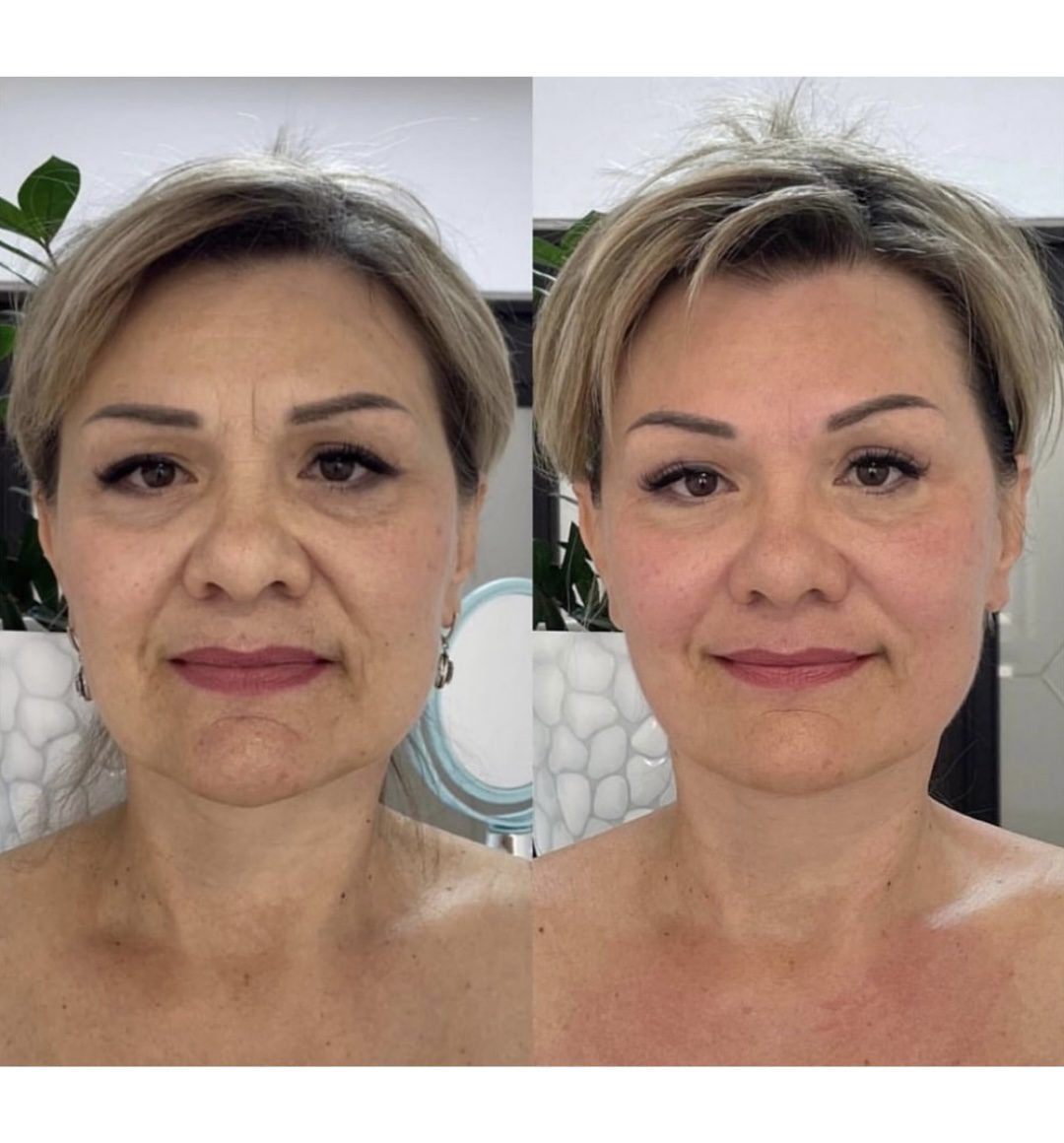
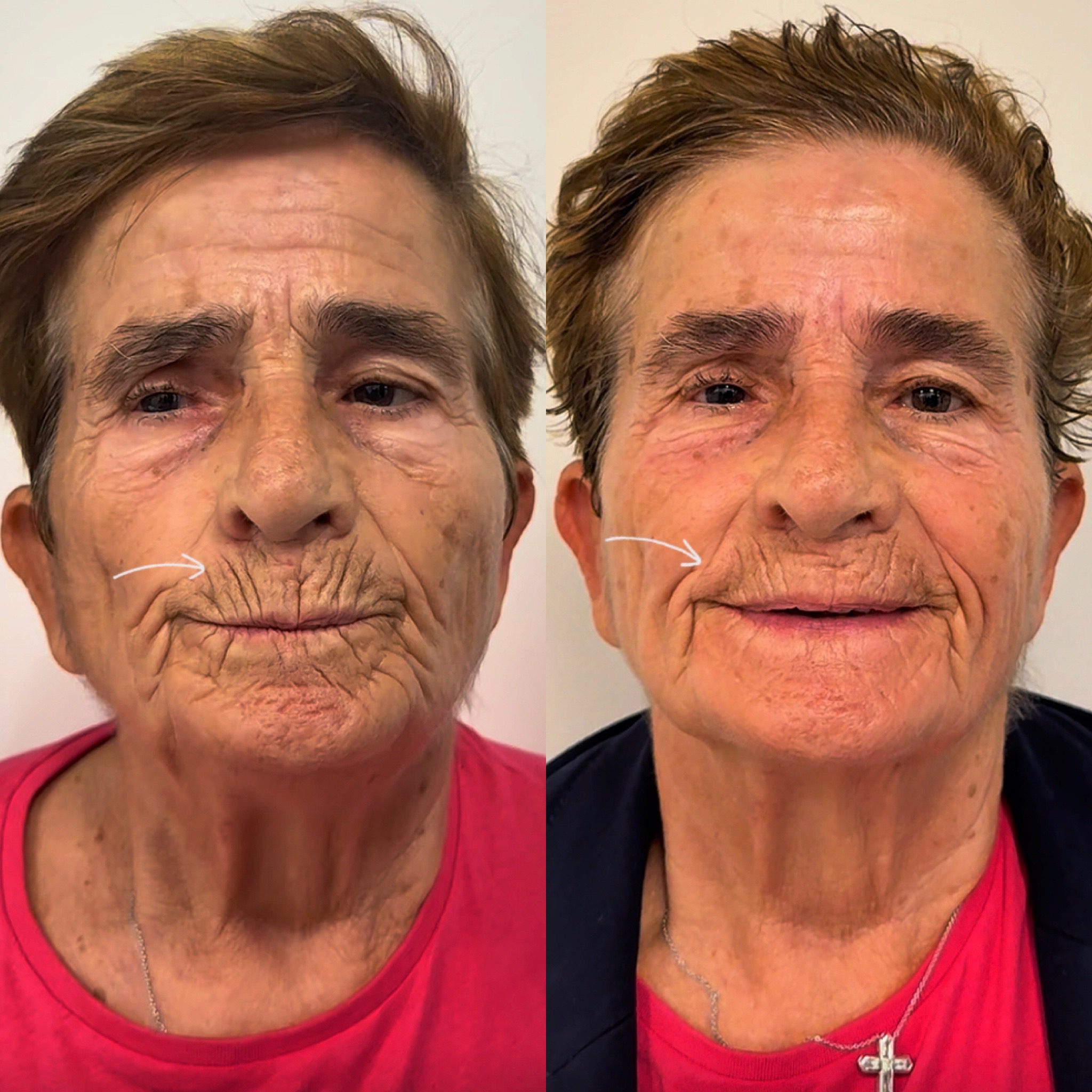
The most important thing for me is a visible result. Hearing someone say they enjoyed a treatment was never enough. We take photographs before and after the session. When I can see a change in the shoulders, the position of the body or the contours of the face, that gives me the satisfaction of knowing we have worked towards something specific.
You use a particular term for one of your techniques — “razvolokneniye”. What does it mean?
We work with trigger points, muscles, areas around ligament attachments and the body’s soft tissues. The idea is to apply pressure until the tissue relaxes and then continue working with it. Within Sculptor we use the term “razvolokneniye” — something like “fibre release”. It is our own name for the technique, not a standard medical or anatomical term.
What concerns bring people to you most often?
They come with a wide range of concerns: tension or discomfort in the back, uneven shoulders, postural imbalances, problems with the way they hold the pelvis, limitations in movement, facial asymmetry, puffiness, cellulite and the shape of the face or body. Posture in children is another topic that matters to us. I am interested in how the whole body works together rather than looking at a single area in isolation.


Do you really expect clients to see a difference after one session?
I would never promise a complete transformation after one appointment. But we try to achieve at least some visible change. Everyone responds differently. Some people relax and respond quickly; others are much more resistant and need more time. The photographs matter to us partly because they give the practitioner a goal and a way to reflect on their work.
So the “before and after” photographs are also a form of quality control?
Exactly. I do not want a practitioner to go through the motions simply to get paid. I want them to care about the person in front of them and the result they are working towards. When clients are happy, word of mouth starts doing the work. To me, that is the best kind of advertising.
How do you train practitioners across such a large network?
I am personally involved in training, but we have a system. The basics — hand placement, core techniques and how we work with particular areas — are taught by branch directors, who are practitioners I have trained myself. I come in to teach more advanced techniques and address specific cases. We also have a progression from practitioner to senior practitioner and top practitioner. Anatomy knowledge, experience and a portfolio of results all matter.
Is Sculptor primarily about wellbeing or aesthetics?
I would say aesthetics comes first. With the face, we look at contours, firmness and symmetry. With the body, it is posture, the shoulders, the pelvis and the overall silhouette. People come because they want to look better, although they may also say they feel more comfortable afterwards. That is why I see what we do as aesthetic bodywork with a wellbeing component.
One of the most tempting beauty promises is “lose inches in one session”. What do you believe is happening?
In my work, I pay a lot of attention to fluid retention. Sometimes what looks like excess volume is affected by puffiness, and clients can notice a different shape after a treatment. We work with the tissues and use techniques intended to encourage fluid movement. I also tell clients that diet and lifestyle matter, although not everyone follows that advice.
EDITOR’S NOTE Editor’s note: Manual lymphatic drainage can help manage certain kinds of swelling, but a short-term change in body measurements or appearance is not evidence of fat loss. The cause of persistent swelling should be assessed medically.
You also speak about children and posture. Why is that an important subject for you?
Parents notice things: that a child stands unevenly, that one shoulder seems higher, that the legs or feet appear to be positioned differently. They often do not know where to turn. We are interested in the muscles and soft tissues and the way a person carries their body.
You have chosen not to patent your techniques. Why?
I come up with new techniques all the time. Patenting every one of them would take enormous time and energy. And, to be honest, I do not mind when former students use what they have learned with me. Some have opened their own businesses and teach these techniques. That is fine. I would rather spend my energy on what comes next.
And what does come next?
I want to keep finding new ways to help women feel more beautiful and confident. They will not necessarily all involve massage. I am interested in other areas of beauty and wellbeing, too. I have some ideas that I would rather keep to myself for now. I think of them as silver threads — something delicate that could break if you pull at it too soon.
Where to Find Sculptor in Dubai
At the time of the original interview, two Sculptor by Aray Kairkanova Dubai locations were listed in the publication’s research:
Dubai Marina — Al Habtoor Business Tower, 4th floor, office 404. +971 50 424 3109
Al Wasl Road — Al Shafar Building 7, 1st floor, Jumeirah 1, office 115. +971 50 909 9046